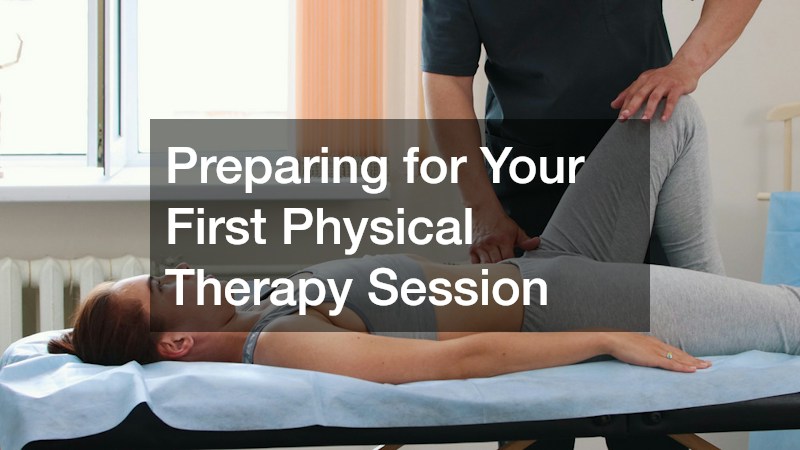

Starting a physical therapy program is a positive, proactive step toward recovering from an injury, managing chronic pain, or regaining full mobility after surgery. While taking that initial step is empowering, it is completely normal to feel a bit uncertain about what your first visit will entail. Knowing what to expect and taking a few simple steps to prepare can help reduce anxiety, streamline administrative intake, and ensure you get the absolute most out of your care plan from day one.
Preparing for your initial evaluation allows your clinical team to focus more time on assessing your movement and developing a tailored rehabilitation plan. By organizing your medical history, dressing appropriately, and setting clear functional goals, you can build a strong foundation for a successful recovery journey.
Gathering Your Medical Information and Documentation
Before your first appointment, take time to gather relevant medical records, administrative documents, and health history details. Having these items organized ensures that your clinical care team gains a complete picture of your overall physical health. Be sure to bring a valid photo identification card, your current health insurance card, and any formal physical therapy prescriptions or referral slips provided by your primary care physician or orthopedic specialist.
In addition to legal and insurance documentation, prepare a comprehensive list of all current prescription medications, over-the-counter supplements, and recent medical procedures. If you have undergone recent diagnostic imaging, such as X-rays, MRIs, or CT scans related to your condition, bringing copies of those radiology reports provides valuable diagnostic context. Partnering with a trusted clinic for local physical therapy ensures that your therapist can review these medical findings directly, helping them pinpoint structural issues and design a safe, highly targeted treatment protocol.
Dressing Comfortably for Physical Movement and Evaluation

Your initial appointment involves much more than simply discussing your medical background; it includes a hands-on physical movement assessment. To ensure your therapist can evaluate your joints, muscles, and range of motion effectively, wear comfortable, loose-fitting athletic attire or flexible lounge clothing. Avoid stiff denim, heavy belts, or restrictive clothing that limits your natural range of movement.
Additionally, choose appropriate athletic footwear, such as supportive running or walking sneakers with good traction. Depending on the specific area of your body being evaluated, your therapist will need clear access to inspect and palpate the affected joints and soft tissues. For example, if you are seeking care for a knee or ankle condition, wear athletic shorts; for shoulder, neck, or upper back issues, a comfortable tank top or loose T-shirt is ideal. Choosing an accessible clinic for local physical therapy makes attending these active, movement-focused sessions convenient and stress-free throughout your weekly routine.
What to Expect During the Initial Evaluation
The primary goal of your first session is to establish an accurate baseline of your current physical capabilities and identify the underlying causes of your discomfort. Your physical therapist will begin with an in-depth verbal consultation to discuss your specific symptoms, when the pain began, what activities aggravate or relieve your discomfort, and how the condition impacts your daily life. This discussion helps frame your rehabilitation around your personal lifestyle and functional needs.
Following the initial interview, your therapist will guide you through a series of physical tests to evaluate your posture, joint range of motion, muscle strength, balance, and movement patterns. They may perform specialized orthopedic tests or palpate surrounding soft tissues to identify areas of tightness or structural weakness. Based on these objective clinical findings, your clinician will explain their evaluation, outline realistic recovery timelines, and begin your first gentle therapeutic interventions or stretches.
Setting Functional Goals and Asking the Right Questions
Physical therapy is a collaborative process, and your active participation plays a significant role in achieving long-term success. Before walking into your initial session, think about your specific personal goals beyond simply reducing pain. Whether you want to return to running, play with your grandchildren without back discomfort, or sit comfortably through a workday, sharing these functional milestones helps your therapist design exercises aligned with what matters most to you.
Do not hesitate to ask questions throughout your evaluation to ensure you fully understand your condition and treatment path. Inquire about the expected frequency and duration of your appointments, what manual therapy techniques or exercises will be used, and how to perform your home exercise program correctly between clinical visits. Establishing clear communication with your team for local physical therapy builds trust, keeps you motivated, and empowers you to take an active role in your own healing process.
Your initial appointment marks the beginning of a partnership dedicated to restoring your health, strength, and physical independence. Taking a proactive approach to preparation—organizing paperwork, wearing comfortable clothing, and articulating your personal goals—sets a positive tone for your entire rehabilitation experience.
Remember that progress in physical therapy is often cumulative, requiring consistency, patience, and dedication both in the clinic and at home. With the guidance of an experienced clinical team and a personalized treatment plan in place, you are well-equipped to overcome physical limitations, reduce pain, and return to the active lifestyle you enjoy.