

Your vascular system—arteries, veins, and capillaries—acts as the body’s transportation network, delivering oxygen and nutrients while removing waste. When that system is compromised, the effects can be widespread, contributing to pain, swelling, poor wound healing, stroke risk, or limb-threatening conditions. Interventional radiology plays a critical role in preventing, diagnosing, and treating many vascular problems using minimally invasive techniques. Understanding how these specialists work can help you better navigate your care and appreciate the options available to protect your long-term vascular health.
What Interventional Radiology Brings to Vascular Care
Interventional radiology combines advanced imaging technology with catheter-based procedures to treat vascular conditions from inside the blood vessels. Rather than relying solely on open surgery, these physicians use real-time imaging—such as X-ray fluoroscopy, ultrasound, or CT guidance—to precisely target diseased vessels through tiny incisions, often no larger than a pinhole.
A vascular interventional radiologist is specially trained to diagnose and manage disorders affecting arteries and veins throughout the body. Common conditions treated include peripheral artery disease, deep vein thrombosis, varicose veins, dialysis access problems, aneurysms, and vascular complications related to diabetes or trauma. Because imaging is central to both diagnosis and treatment, these specialists can often identify issues earlier and intervene before symptoms escalate.
One of the greatest advantages of interventional radiology is reduced risk. Minimally invasive procedures typically result in less pain, lower infection rates, and shorter recovery times compared to traditional surgery. Many treatments are performed on an outpatient basis, allowing patients to return home the same day and resume normal activities more quickly.
Preventing Progression Through Early Diagnosis and Targeted Treatment
Early detection is key to preserving vascular health, and interventional radiologists are uniquely positioned to identify problems before they become emergencies. Using detailed imaging studies, they can evaluate blood flow, detect blockages, and assess vessel integrity with high precision. This allows care teams to tailor treatment plans to each patient’s anatomy and disease severity.
When intervention is needed, treatments are highly targeted. For example, narrowed arteries may be opened with balloon angioplasty or supported with stents to restore blood flow. Blood clots can be dissolved or removed using catheter-directed therapies that minimize damage to surrounding tissue. A vascular interventional radiologist can also treat abnormal or weakened vessels, such as aneurysms, by reinforcing them from within rather than through large surgical incisions.
These approaches do more than relieve symptoms; they help slow or halt disease progression. By restoring proper circulation, interventional treatments can reduce the risk of complications like non-healing ulcers, limb ischemia, or stroke. In patients with chronic conditions such as diabetes or kidney disease, ongoing vascular monitoring and timely intervention can be essential to maintaining quality of life.
Long-Term Management and Collaborative Care
Protecting vascular health is rarely a one-time event. Many vascular conditions are chronic and require long-term management, lifestyle adjustments, and follow-up care. Interventional radiologists often work closely with cardiologists, vascular surgeons, nephrologists, and primary care providers to ensure coordinated treatment.
A vascular interventional radiologist may be involved not only in procedures but also in surveillance and prevention strategies. For patients with stents or dialysis access grafts, regular imaging can identify early signs of narrowing or dysfunction before complete failure occurs. This proactive approach helps avoid emergency interventions and hospitalizations.
Patient education is another important component. Interventional radiologists frequently counsel patients on risk factors such as smoking, high blood pressure, high cholesterol, and sedentary lifestyle habits that contribute to vascular disease. While procedures can restore blood flow, long-term success often depends on managing these underlying factors.
As technology continues to advance, the role of the vascular interventional radiologist is expanding. New devices, imaging techniques, and minimally invasive therapies are making it possible to treat increasingly complex vascular conditions with greater safety and precision. These innovations translate directly into better outcomes and more personalized care for patients.
The Bigger Picture of Vascular Protection
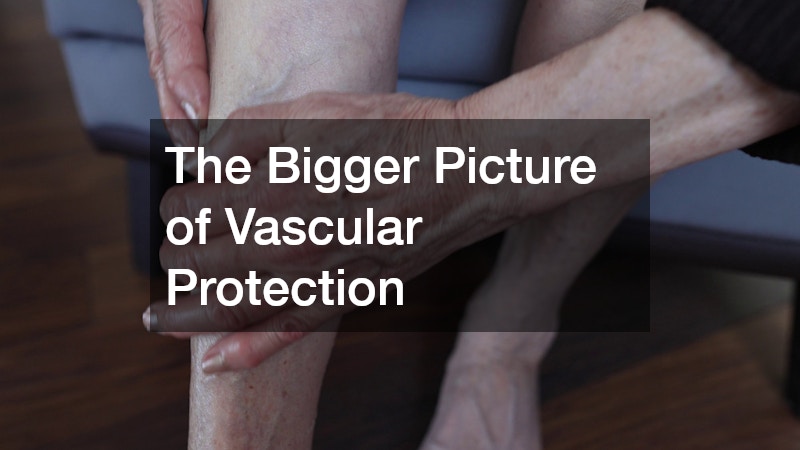
Vascular health influences nearly every organ system in the body. By combining diagnostic insight with minimally invasive treatment, interventional radiology offers a powerful approach to protecting that system. From early detection to long-term management, the work of a vascular interventional radiologist helps preserve circulation, prevent serious complications, and support overall well-being.
For patients facing vascular disease, understanding this specialty can open the door to treatment options that are effective, lower risk, and designed to keep you active and healthy for years to come.