
The global healthcare landscape is currently experiencing an unprecedented demographic shift. As advancements in medicine continue to extend the average human lifespan, the global population of older adults is expanding at a velocity never before seen in human history. With this aging milestone comes a steep, parallel rise in the prevalence of complex neurodegenerative disorders. Conditions such as Alzheimer’s disease, vascular dementia, Lewy body dementia, and frontotemporal degeneration are rapidly transforming into some of the most pressing public health challenges of our time. Behind the statistics are millions of families navigating the heartbreaking, exhausting reality of watching a loved one lose their memories, their spatial orientation, and their foundational sense of self.
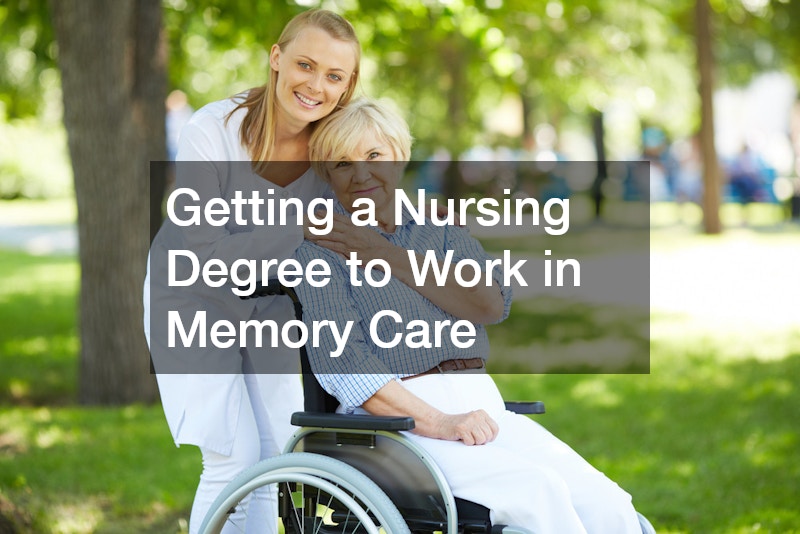
Caring for individuals experiencing progressive cognitive decline requires far more than basic medical task execution or casual caretaking. It demands an elite tier of highly specialized, clinically trained professionals who understand the intricate neurological, behavioral, and pharmacological pathways of dementia. Step forward into the world of the specialized cognitive care nurse. Nurses in this demanding field serve as clinical coordinators, behavioral psychologists, environmental architects, and fierce advocates for patients who can no longer speak for themselves. This career path is a unique calling that blends advanced science with profound, unyielding empathy. Entering this specialization requires a highly strategic approach to your education, a deep understanding of occupational self-care, and a complete mastery of specialized clinical communication. This comprehensive guide serves as the definitive professional blueprint for navigating the academic, physical, and emotional landscape of becoming a premier memory care nurse.
Choosing the Optimal Educational Pipeline for Neurocognitive Specialization
Stepping onto the path toward becoming a professional nurse requires a highly calculated evaluation of contemporary academic portals. Because the contemporary medical landscape demands rapid adaptation, high-level critical thinking, and absolute data literacy, your choice of educational scaffolding will heavily dictate your long-term clinical mobility, earning potential, and leadership capacity within the geriatric sector.
For aspiring professionals entering the field from other industries, or those balancing current financial obligations with their academic dreams, the traditional path of sitting in a rigid, physical classroom for four consecutive years is often completely impractical. To bypass these geographic barriers, you must carefully evaluate programs that offer exceptional academic rigor while accommodating modern lifestyles. Selecting a highly structured, fully accredited healthcare degree that prioritizes advanced pathophysiology, gerontological pharmacology, and systemic patient advocacy forms the baseline of your professional credibility. To achieve this while maintaining your current personal or professional responsibilities, you can leverage fully synchronized digital delivery models. Enrolling in a premier online nursing program allows you to complete complex distance-learning lectures, interact with advanced virtual simulation labs, and master core nursing theories from home, while seamlessly coordinating with local healthcare facilities to execute your mandatory, hands-on clinical rotations under the direct supervision of a licensed preceptor.
- Verify CCNE or ACEN programmatic accreditation: Before paying a single registration fee, confirm that your chosen distance program holds valid accreditation from the Commission on Collegiate Nursing Education or the Accreditation Commission for Education in Nursing to guarantee your eligibility for the NCLEX licensing exam.
- Audit the curriculum for specialized neurological tracks: Ensure the academic program features dedicated, multi-week modules focusing specifically on progressive cognitive impairments, neuroanatomy, and behavioral symptom management rather than just basic general adult health.
Navigating the Physical and Neurological Toll of Geriatric Ward Work
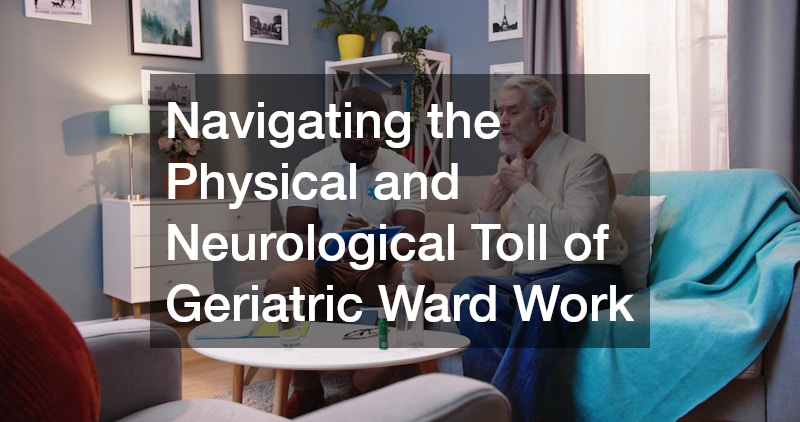
The day-to-day reality of working on a specialized neurological floor or a secure geriatric unit introduces intense physical and environmental demands that can rapidly exhaust a clinician who neglects their own occupational biomechanics and neurological health. Floor nurses are the primary physical engines of a care facility, continuously executing high-assist patient transfers, assisting with complex mobility exercises, and repositioning adults who may suffer from rigid musculature or unpredictable spatial awareness.
Because individuals experiencing advanced cognitive decline often lose their foundational coordination and balance, the physical act of assisting them requires immense mechanical precision. Executing repetitive physical transfers, catching falling residents, and maintaining awkward bedside postures during extended clinical shifts frequently manifests as chronic, exhausting neck pain among floor nurses. Mitigating this musculoskeletal strain requires a zero-compromise approach to your personal ergonomics, including the mandatory use of mechanical sit-to-stand lifts and friction-reducing slide sheets for every single patient movement. Simultaneously, you must actively protect your own neurological well-being. The sensory-heavy environment of a secured unit—characterized by continuous call lights, alarms, wandering residents, and repetitive verbal feedback loops—can overstimulate a clinician’s nervous system, triggering intense sensory headaches. Floor professionals must proactively manage these environmental stressors, seeking specialized, high-tier medical migraine treatment tracks to manage their neural triggers, regulate stress-induced vascular changes, and remain sharp, calm, and fully functional during high-stress twelve-hour shifts.
- Enforce a strict zero-lift policy: Never attempt to lift, transfer, or significantly adjust an immobile or highly uncoordinated adult patient single-handedly; always wait for a secondary staff member or deploy an automated mechanical hoist.
- Invest in specialized supportive footwear: Wear high-performance, slip-resistant orthopedic shoes combined with medical-grade compression socks to optimize lower-limb circulation, reduce lower back fatigue, and preserve proper spinal alignment across long shifts.
Mastering Behavioral De-escalation Techniques and Psycho-Social Interventions
In the specialized realm of neurocognitive care, a nurse’s most potent tool is rarely their stethoscope or their syringe; it is their profound mastery of behavioral communication and psycho-social de-escalation. As progressive diseases destroy the brain’s frontal lobes and memory centers, residents lose the ability to articulate their physical discomforts, emotional fears, or sensory overloads through traditional speech. Consequently, their distress frequently manifests as extreme agitation, resistance to critical care, sundowning, or physical aggression.
An elite cognitive care nurse completely rejects the outdated mindset that views these behaviors as willful non-compliance or intentional disruption. Instead, the clinician treats every behavior as a highly logical form of non-verbal communication, working like a detective to isolate the underlying unmet need—whether that means hidden physical pain, an undetected bladder infection, temperature discomfort, or simple environmental confusion. Managing these moments requires deploying non-pharmacological behavioral intervention matrices that reduce panic without resorting to chemical sedatives that can compromise patient safety. At the same time, because witnessing the continuous, irreversible decline of your patient population can take a heavy psychological toll on your own mind, you must actively guard against compassion fatigue. Dedicated professionals must actively dismantle the professional stigma around emotional exhaustion, proactively seeking professional mental health help, institutional counseling resources, and clinical peer support groups to process the unique, ongoing grief that comes with working continuously inside terminal cognitive environments.
- Deploy the validation method over reality orientation: If a resident is experiencing a displaced temporal memory—such as frantically looking for their long-deceased parents—never argue or force them into the present year; validate the underlying emotion of needing security and gently guide them to a comforting topic.
- Establish controlled environmental micro-zones: During late afternoon hours when sundowning behaviors peak, actively lower ambient hallway lighting, turn off overhead televisions, and minimize competing acoustic inputs to create a deeply soothing physical space.
Selecting Your Clinical Workplace Infrastructure
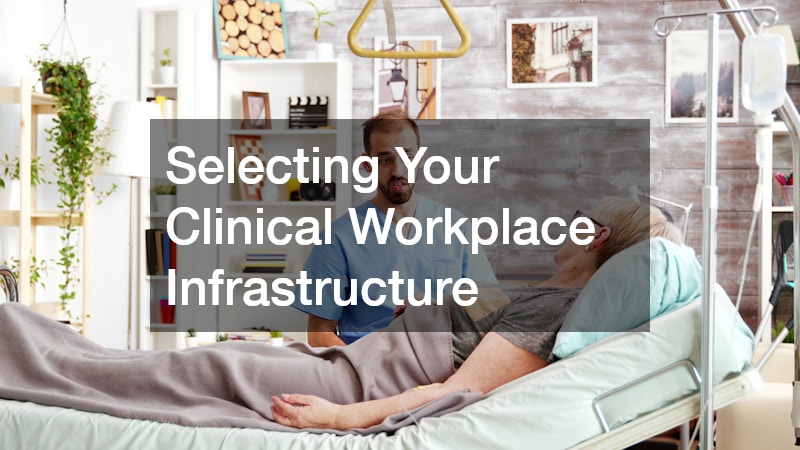
Upon securing your advanced academic credentials and mastering core behavioral theories, you must strategically analyze the diverse landscape of modern corporate and community clinical settings to choose an operational infrastructure that fully matches your long-term nursing workflows, desired caseload pacing, and professional values. The structural environment where you deploy your skills will heavily dictate your daily administrative balances and the depth of your patient relationships.
For nurses who thrive on absolute autonomy, deep care continuity, and one-on-one patient-centered advocacy, the community-based care model represents a phenomenal professional home. Operating through a premium home health care service allows you to step directly inside a client’s private residence, evaluating their familiar living spaces for hidden safety hazards, managing complex medication adjustments, and teaching customized de-escalation workflows directly to exhausted family caregivers in real time. Conversely, if you prefer working within highly structured, multi-disciplinary teams surrounded by specialized architectural safeguards, you should target dedicated residential communities. Stepping into a leadership role within a premier memory care assisted living community exposes you to an environment explicitly engineered from the ground up for neurocognitive security, featuring circular walking paths that eliminate frustrating dead-ends, color-coded security perimeters to safely manage wandering, and holistic, specialized life-enrichment programming designed to preserve resident dignity.
- Audit staff-to-resident operational ratios: When interviewing with potential residential facilities, demand transparent data regarding their nurse-to-patient ratios during both day and night shifts to ensure you will have adequate time to deliver unhurried, safe, and truly patient-centered care.
- Evaluate physical security architecture parameters: Look for facilities that feature smart, non-restrictive security measures, including magnetic delayed-egress doors, discrete keypad locks disguised as artwork, and enclosed outdoor sensory gardens that allow residents to safely experience nature.
Integrating Specialized Sensory Care and Compassionate End-of-Life Practice
As neurodegenerative conditions advance into their later stages, they systematically alter how a patient experiences, interprets, and interacts with the physical world around them. One of the most critical, yet frequently overlooked responsibilities of a cognitive care nurse is the continuous management and optimization of the resident’s remaining sensory input channels to minimize environmental confusion, eliminate frightening hallucinations, and prevent devastating physical falls.
When a patient suffers from uncorrected visual deficits or degraded hearing acuity, their brain is forced to work twice as hard to interpret vague, blurry shapes and muffled environmental sounds, which frequently manifests as intense paranoia, protective aggression, or profound social isolation. Specialized memory nurses must prioritize comprehensive eye care as a primary clinical line of defense, ensuring that prescription lenses are checked daily for cleanliness, verifying that assistive hearing devices are fully charged and properly fitted, and scheduling regular, high-precision visual field screenings to adapt the resident’s environment to any changing perceptual abilities. Ultimately, as these progressive diseases cross into their final terminal phases, the focus of your clinical nursing practice must shift completely away from therapeutic or restorative efforts. During this critical transition, you must work in tight harmony with multi-disciplinary networks to deliver master-level hospice care, aggressively managing physical pain thresholds, alleviating final breathlessness, providing intensive emotional counseling to grieving family systems, and wrapping the resident in absolute comfort, dignity, and peace as they prepare for their final journey.
- Execute daily visual and auditory hardware checks: Make it an ironclad part of your morning routine to physically inspect every resident’s eyeglasses for smudges or scratches and confirm that their hearing aid batteries are fully operational and clear of earwax build-up.
- Deploy high-contrast environmental staging techniques: Utilize strong visual contrast in daily living spaces—such as placing a brightly colored plate on a white tablecloth—to help residents with degraded depth perception easily identify their food and utensils independently.
Embarking on the professional journey to secure an advanced nursing credential and dedicating your clinical life to the field of neurocognitive support is an exceptionally noble, intellectually profound, and deeply impactful career choice. As this comprehensive blueprint demonstrates, achieving excellence in this high-stakes field is never a matter of luck or simple caretaking routine. It is a reward captured exclusively by clinicians who systematically approach their careers with the mindset of a dedicated medical engineer, securing a rigorous educational foundation, mastering ergonomic and neurological self-care, executing advanced behavioral de-escalation frameworks, and delivering flawless comfort during life’s final chapters. By seamlessly synthesizing cutting-edge science with unyielding human empathy, you transform what is often a highly stressful journey for families into a controlled, safe, and profoundly dignified experience.
As you prepare to step forward and command your own professional destiny within the healthcare sector, resolve to approach this career track with absolute strategic clarity and zero compromise. Reject the temptation to enroll in unaccredited academic programs, do not neglect your own physical and psychological boundaries on the floor, and never settle for outdated, restrictive care models that strip residents of their humanity. Take immediate, decisive action to launch your professional path this week: audit the CCNE accreditation statuses of flexible distance-learning platforms, map out localized geriatric clinical rotation options in your immediate community, research premium community home-health and secured residential employers, and familiarize yourself with the latest non-pharmacological behavioral support data. By taking absolute ownership of your nursing education and fully dedicating your clinical talents to this high-demand specialization today, you erase professional uncertainty, secure an exceptionally stable career path, and deliver a priceless, multi-generational legacy of safety, comfort, and profound human dignity to society’s most vulnerable individuals when they need it most.